
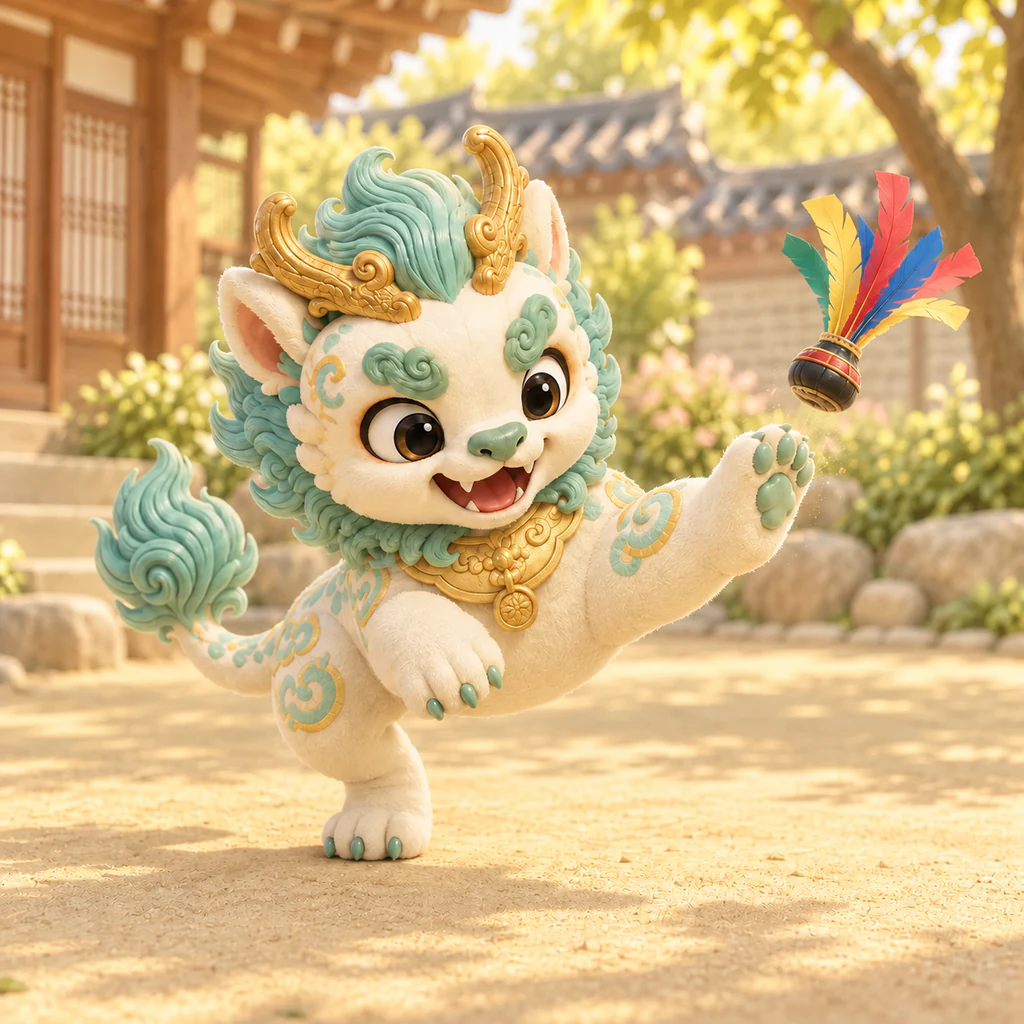
What are Korean childhood games?
Korean childhood games are the games children in Korea played in yards, alleys and schoolyards with whatever was at hand — folded paper, pebbles, sticks, marbles and lines scratched in the dirt. In Korean they are called jeontong nori (traditional play) or minsok nori (folk games).
Many of the names describe the action: -chigi means hitting or flicking and -chagi means kicking, so ddakjichigi is hitting paper tiles, gusulchigi is shooting marbles and jegichagi is kicking a jegi. Some games belong to the seasons — yutnori and kite flying at Lunar New Year (Seollal), jegichagi in the cold months — and Korean schools and museums still teach them today.
Korean childhood games in Squid Game
The Netflix series Squid Game (2021) introduced these games to viewers around the world. In the first episode a recruiter challenges players to ddakji in a subway station, and a later episode is built around a game of marbles. The contest the show is named after, ojingeo nori, is itself a playground game played on a squid-shaped court drawn on the ground.
The second season (2024) brought ddakji back and added jegichagi, gonggi and a spinning top. On Korean Childhood Games you can play ddakji, Korean marbles and jegichagi online, alongside six other traditional games.
The games on Korean Childhood Games at a glance
What each game is played with in real life. Open a guide for its history and full rules.
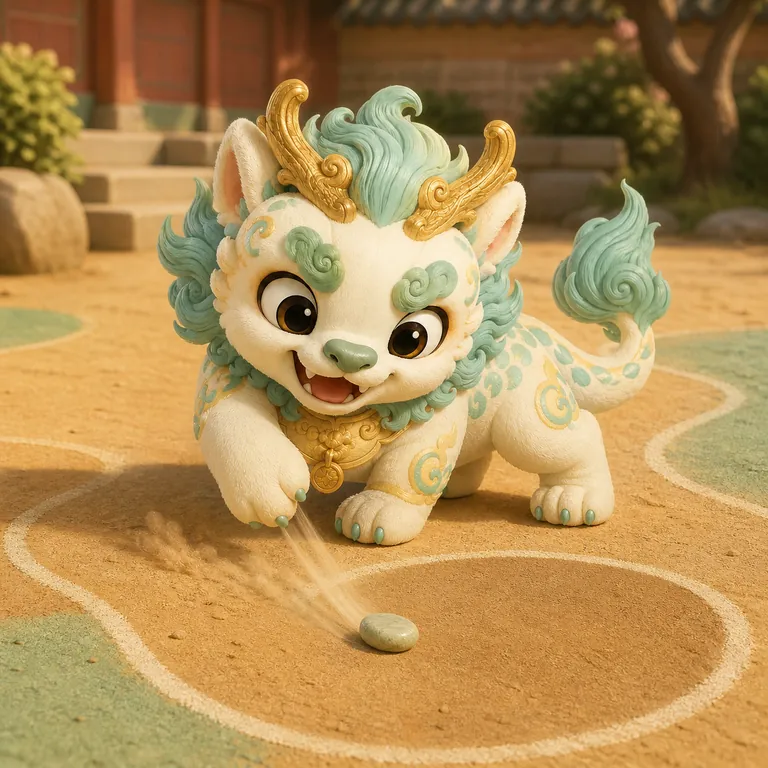
- Land Grab
- A small flat stone and lines in the dirt. Flick the stone back home to enclose more ground.
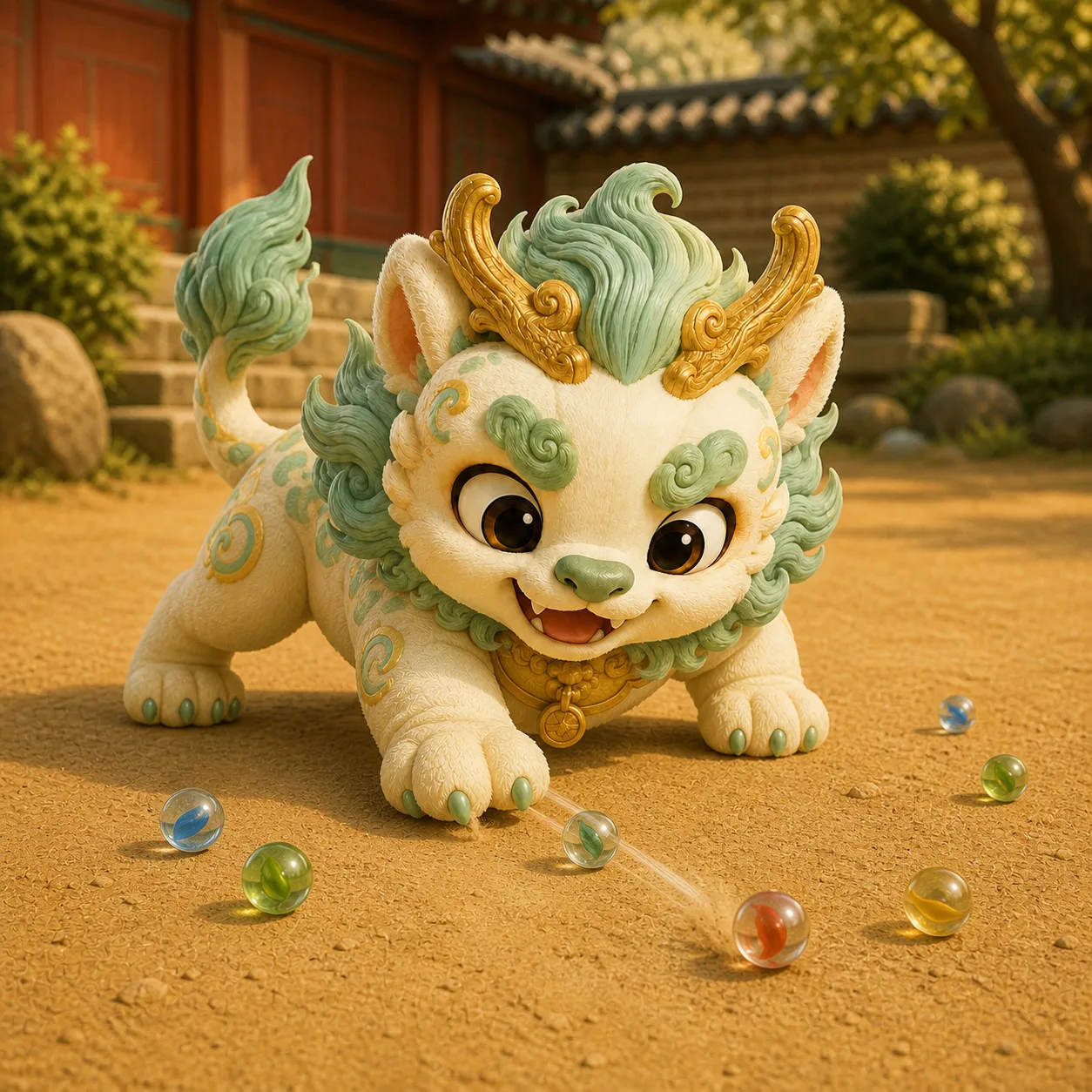
- Korean Marbles
- Glass marbles — earlier, pebbles or clay balls. Roll or throw to hit other marbles or knock them out of a ring.
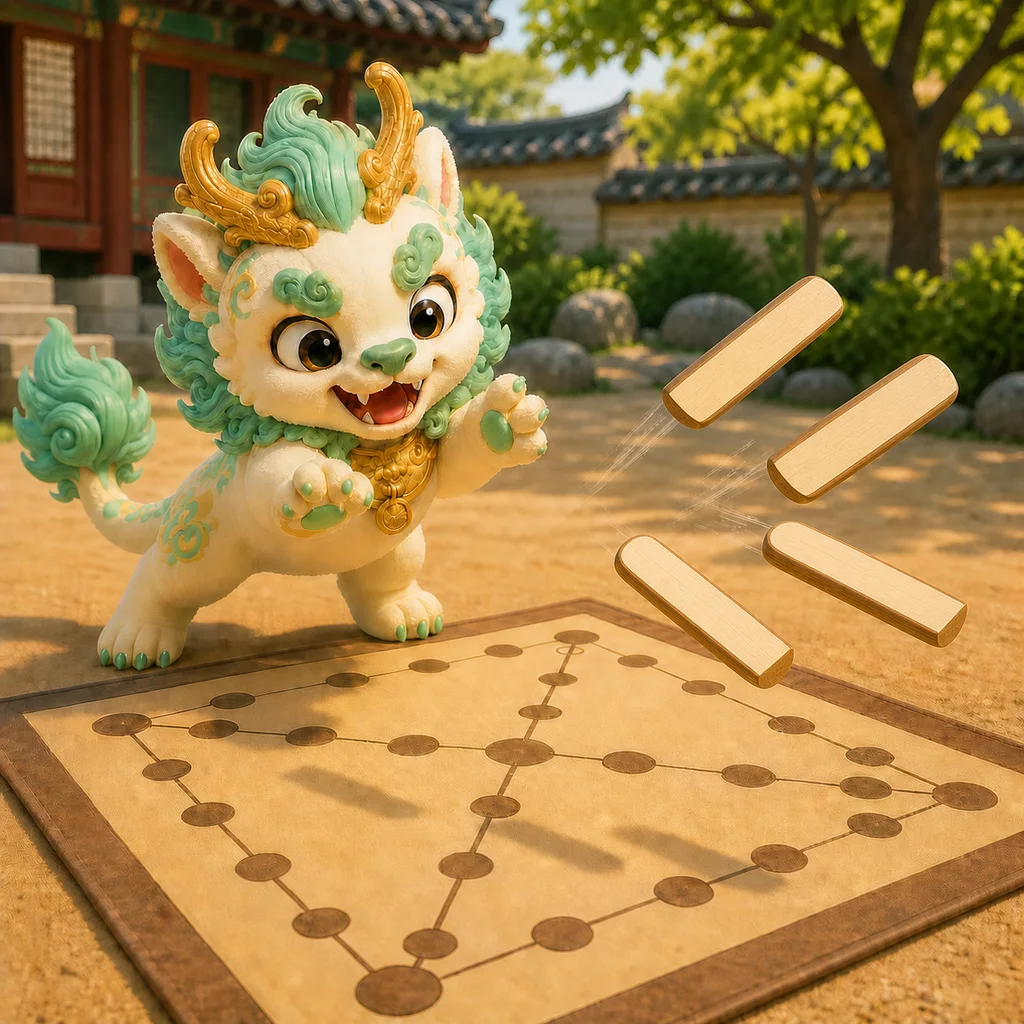
- Yutnori
- Four half-round sticks and a board. Families and teams race four pieces home — the classic Lunar New Year game.
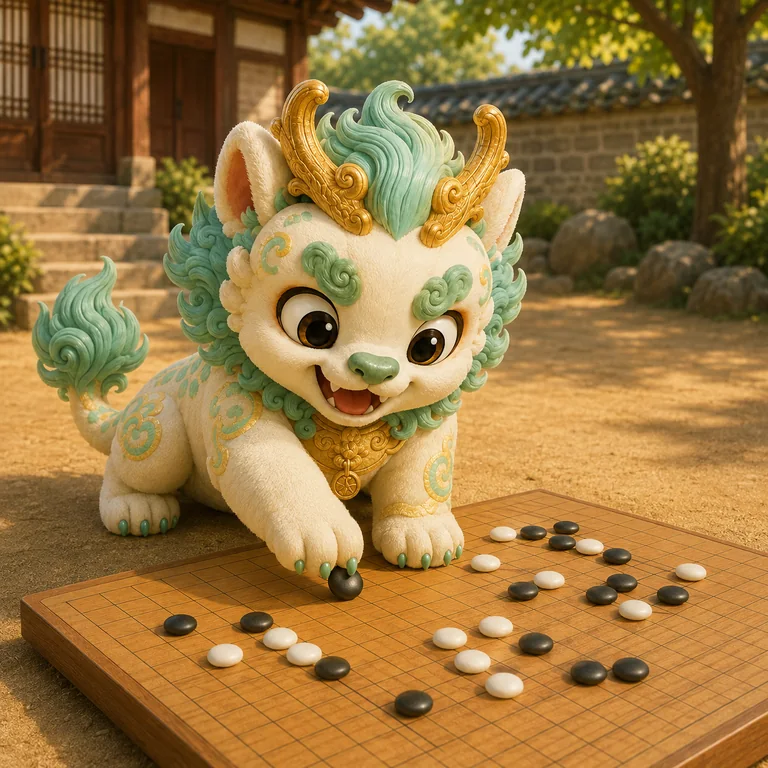
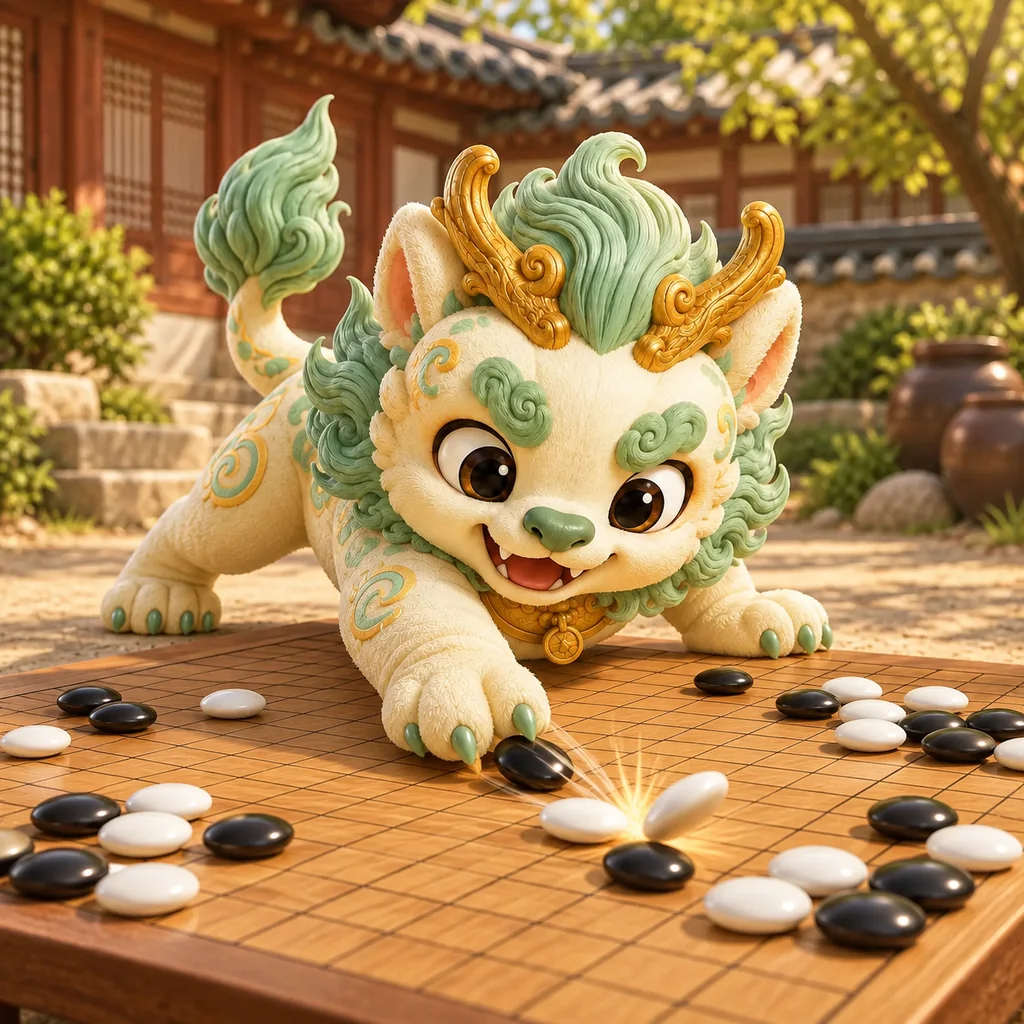
- Omok
- Black and white stones on a go board. Take turns and be the first to line up five in a row.
- Alkkagi (Go Stones)
- Go stones on a baduk board. Flick your stones to push the other player's stones off the edge.
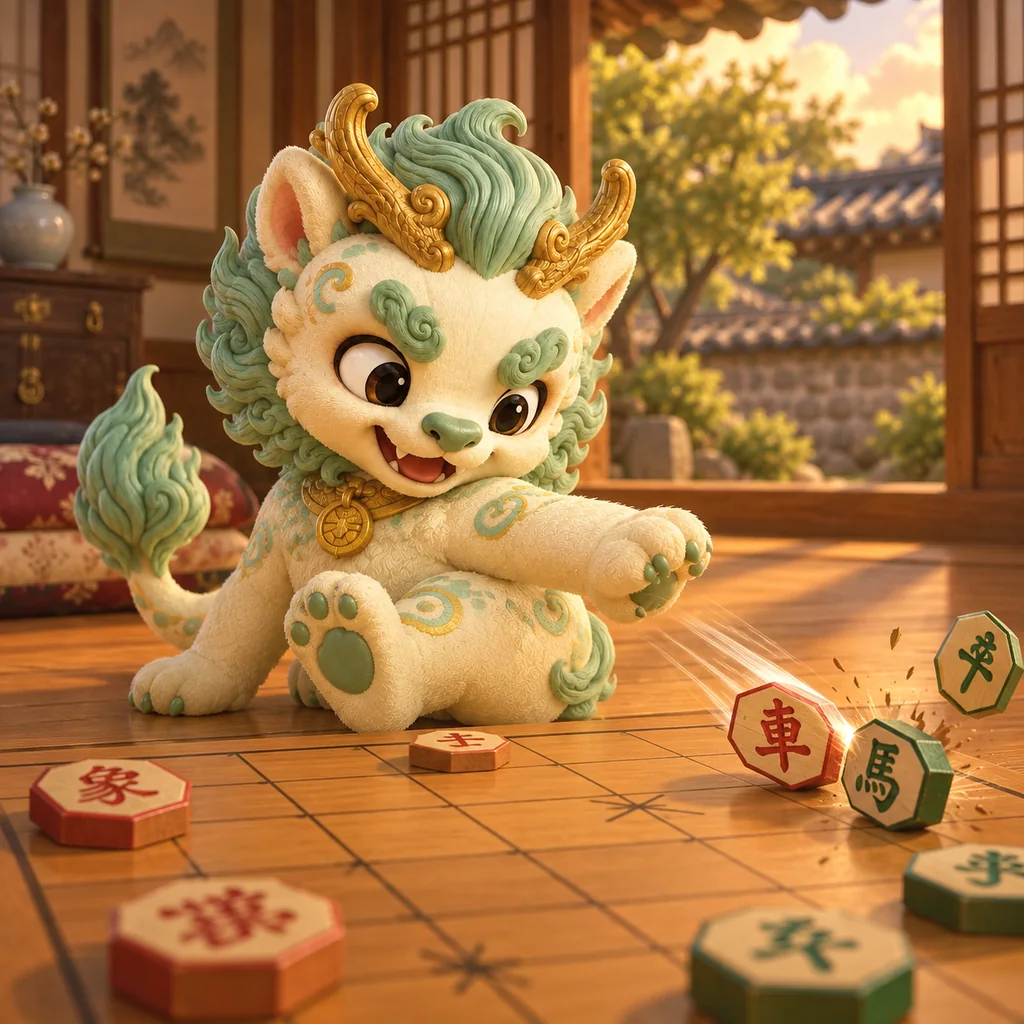
- Alkkagi (Janggi Pieces)
- The same flicking game played with the pieces of janggi, Korean chess.
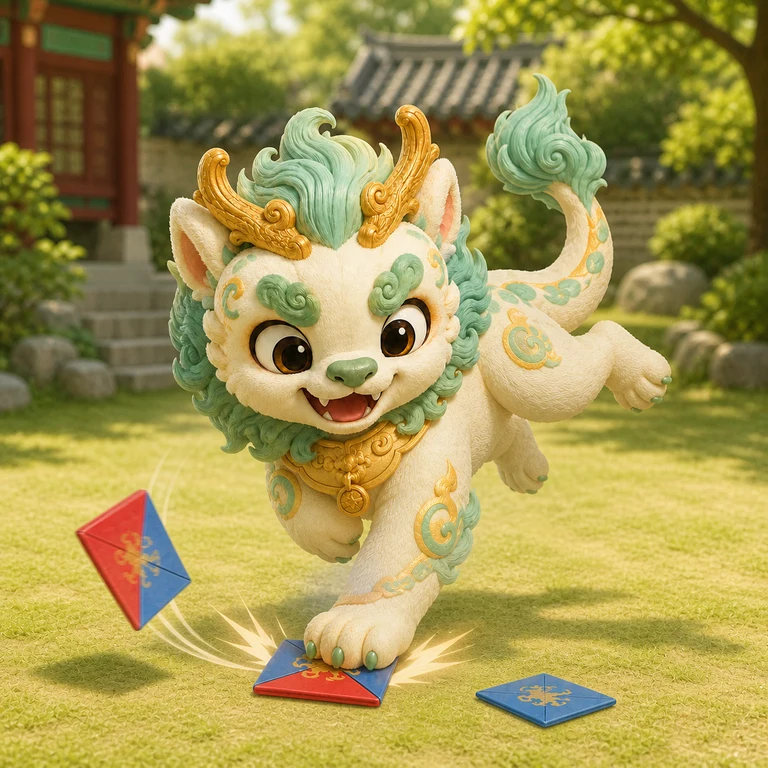
- Ddakji
- Square tiles folded from paper. Slam yours down to flip your opponent's tile and win it.
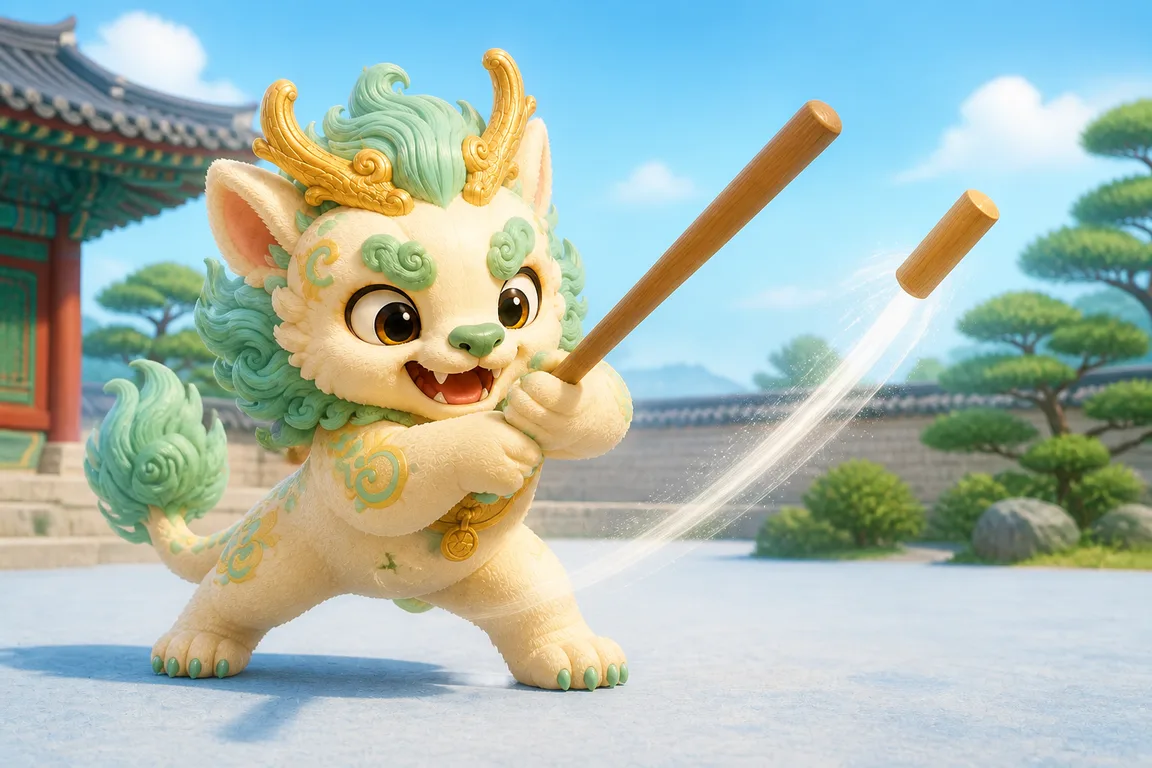
- Jjatchigi
- A long stick and a short one. Flip the short stick up and bat it as far as you can.
- Jegichagi
- A jegi: a coin wrapped in paper or cloth with a frilled tail. Keep it in the air with your feet and count the kicks.
Other Korean childhood games
These well-known games are not on Korean Childhood Games yet, but you will meet them in any list of Korean traditional games.
- Gonggi — Five small stones tossed and caught with one hand, much like jacks.
- Mugunghwa kkochi pieotseumnida — The Korean version of Red Light, Green Light. The name means "the rose of Sharon has bloomed".
- Ojingeo nori — The squid game: an attack-and-defend game on a squid-shaped court drawn in the dirt.
- Paengichigi — Spinning a wooden top and keeping it going with a small whip, often on ice in winter.
- Yeonnalligi — Kite flying, a Lunar New Year custom, sometimes with kite-line fights.
- Tuho — Throwing arrows into a narrow-necked pot from a distance.
- Neolttwigi — Jumping on a seesaw board so that each jump sends the other player into the air.
- Gomujul nori — Jumping and hopping over a long elastic rope while singing a rhyme.
Frequently asked questions
What are traditional Korean games called in Korean?
They are usually called jeontong nori (traditional play) or minsok nori (folk games). Each game is named for what you do in it, such as ddakjichigi (hitting paper tiles) or jegichagi (kicking a jegi).
Which Korean childhood games appear in Squid Game?
The first season features ddakji, Red Light, Green Light (mugunghwa kkochi pieotseumnida), dalgona, tug of war, marbles and the squid game itself. The second season adds jegichagi, gonggi and a spinning top, and brings back ddakji.
What is the best-known traditional Korean game?
Yutnori is played by families all over Korea at Lunar New Year. Among children's games, ddakji, gonggi and jegichagi are some of the most familiar.
What do you need to play them in real life?
Mostly things that are easy to find: paper for ddakji, a coin and some paper for a jegi, four sticks for yut, pebbles for gonggi, two sticks for jjatchigi and a flat stone for land grab.
Can I play Korean traditional games online?
Yes. Korean Childhood Games runs nine of them in your web browser with nothing to install. Invite friends to a match or practise against the Haetae bot. The guides can be read without an account; sign in to play.